English
 français
 español
 русский
 中文
中文

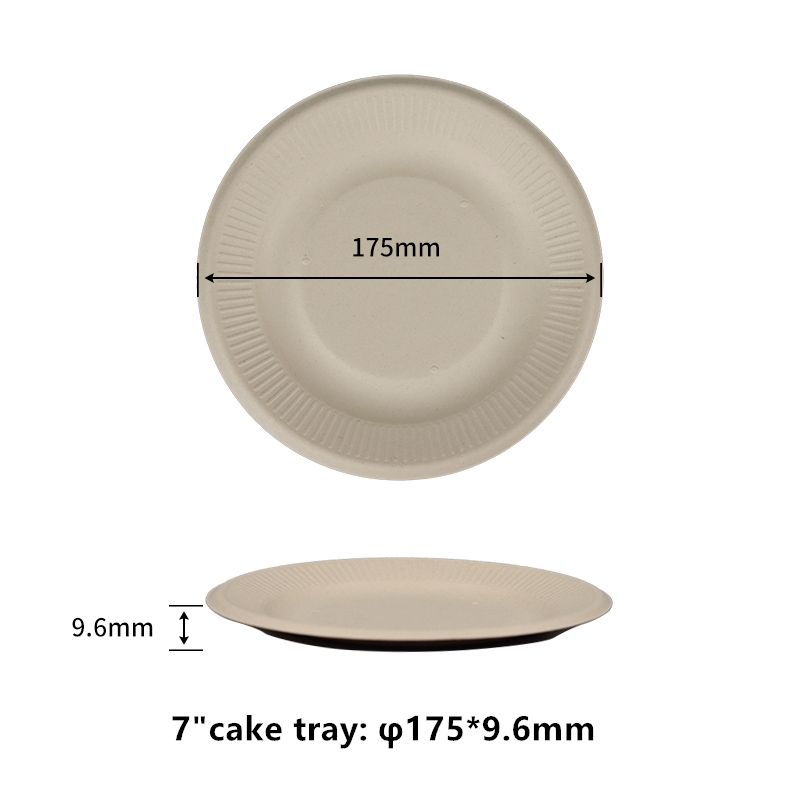
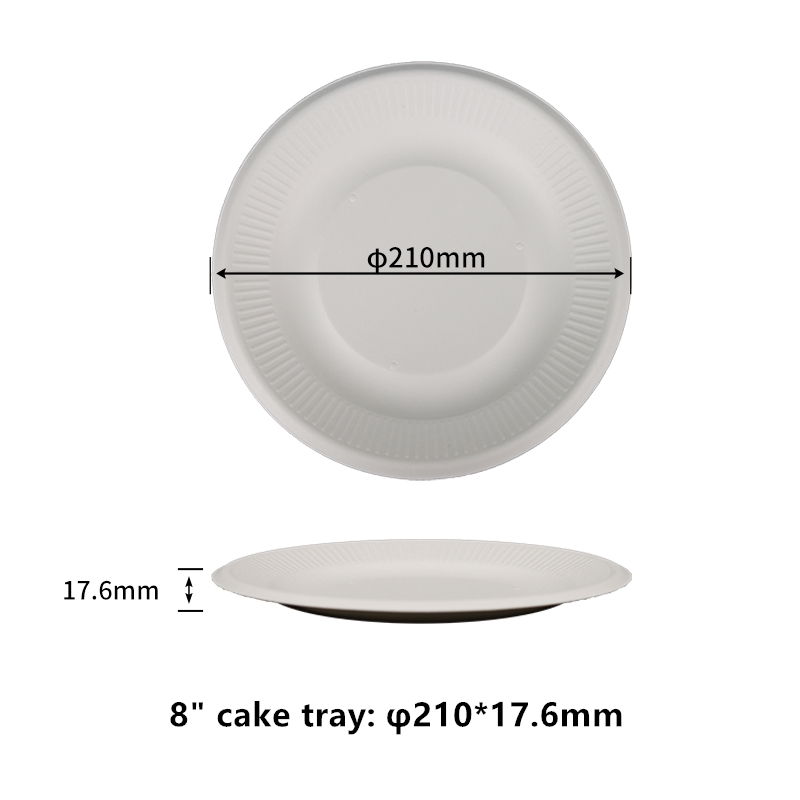
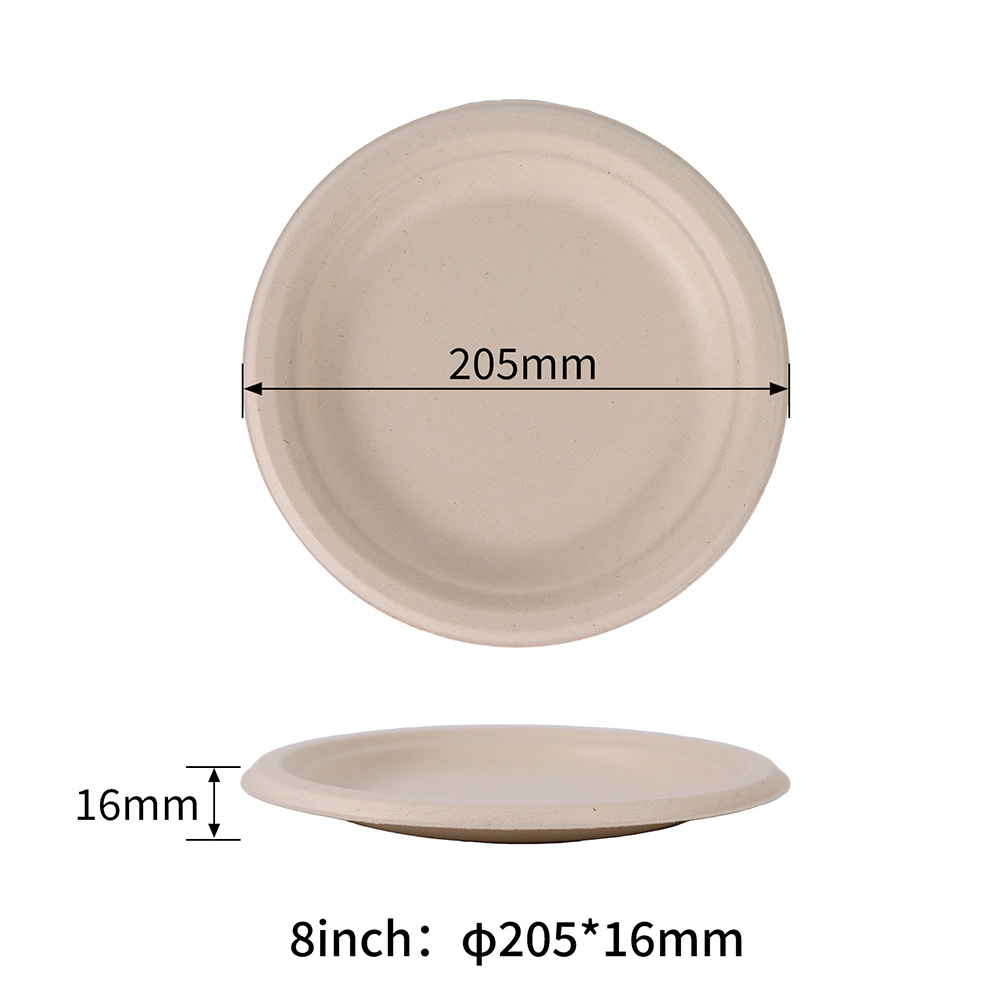
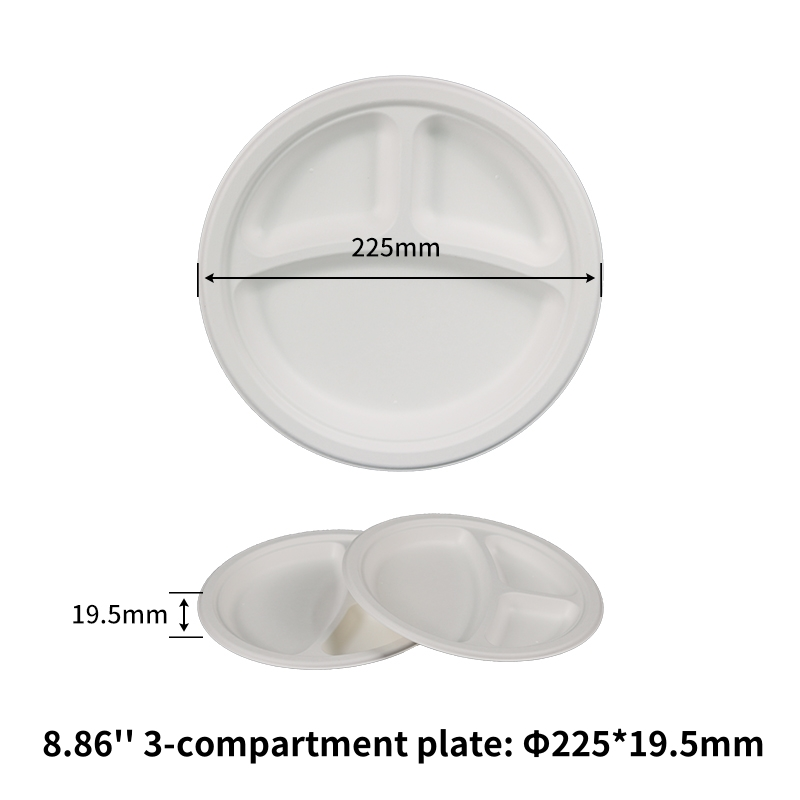
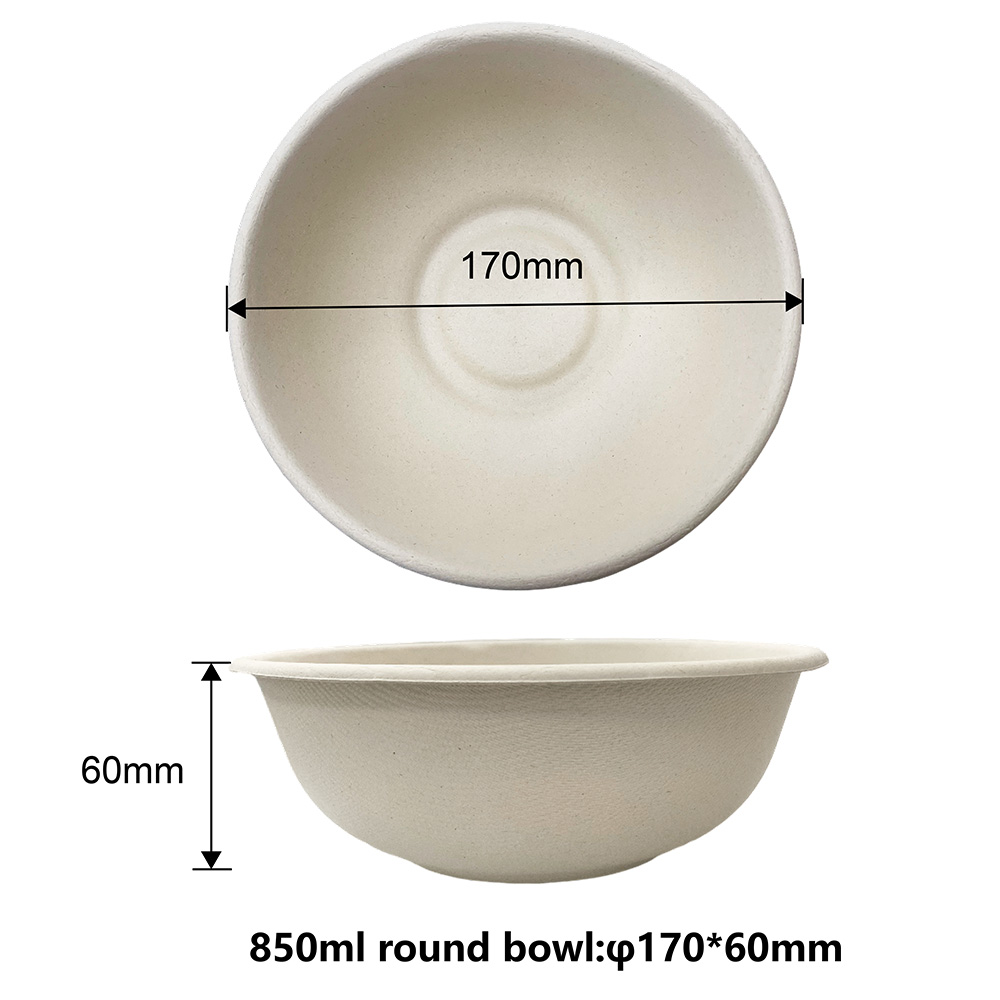
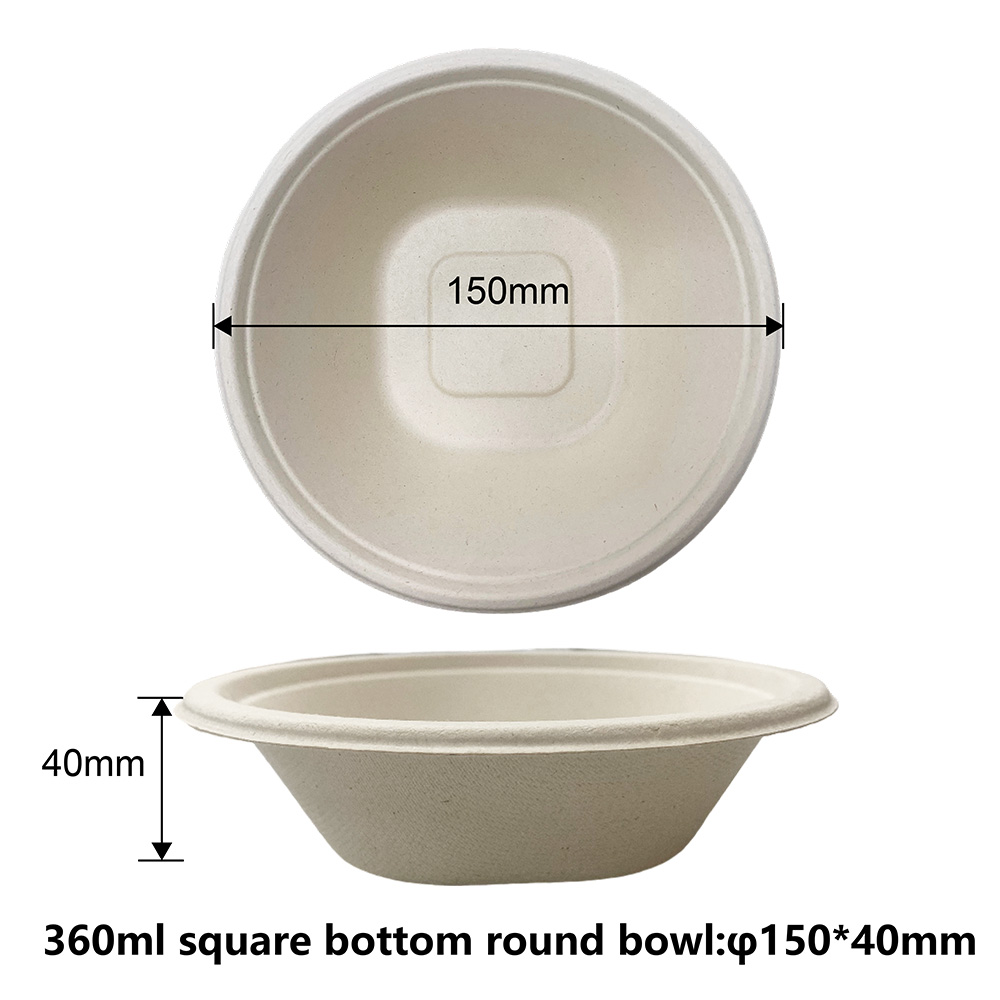
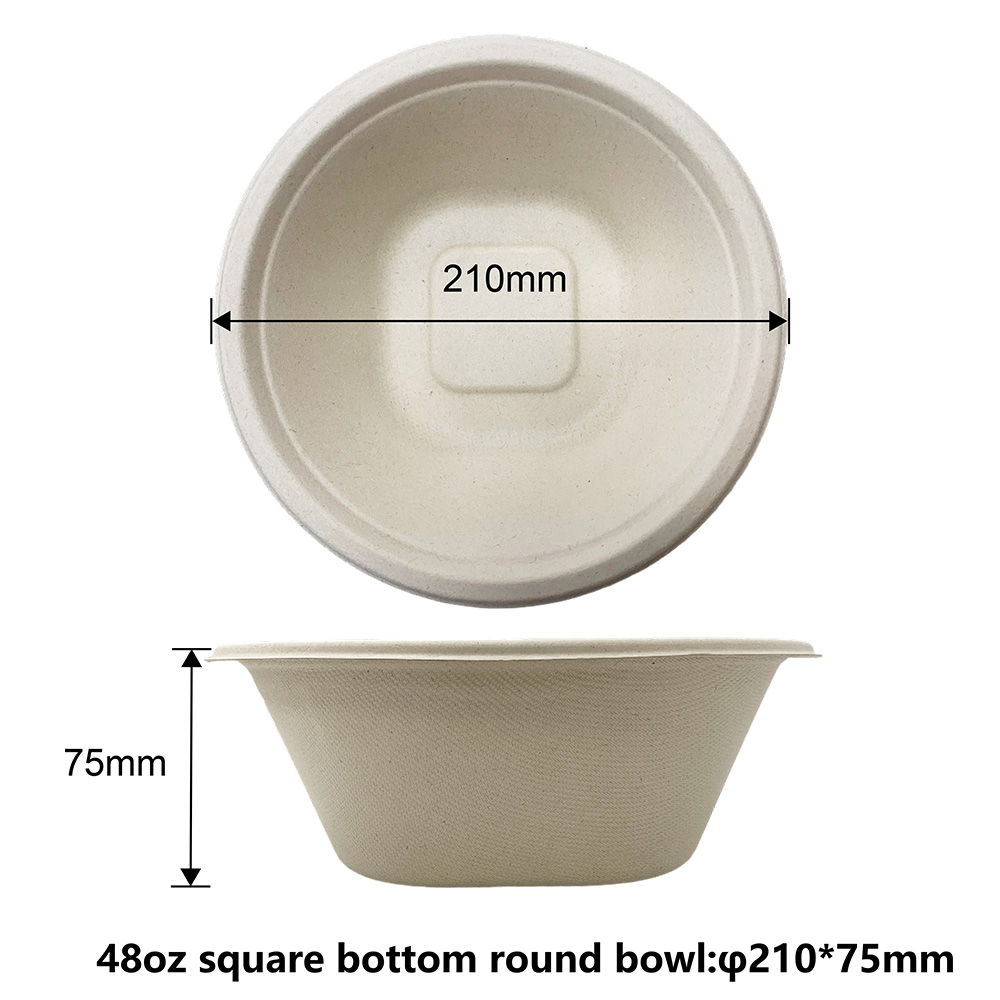
The global push against single-use plastics is fueling significant innovation, with Bagasse Tableware emerging as a leading solution. Made from the fibrous residue left after sugarcane juicing, this material transforms agricultural waste into sturdy, functional plates, bowls, and containers. Major food service providers and eco-conscious restaurants are increasingly turning to bagasse products to meet consumer demand for greener options and comply with tightening environmental regulations worldwide. This shift represents a move beyond traditional disposables towards truly renewable resources.
A key driver of this trend is the demand for reliable biodegradable cutlery. Conventional plastic utensils persist for centuries, but bagasse-based forks, knives, and spoons decompose naturally in commercial composting facilities within months, returning nutrients to the soil. Their heat resistance and durability make them a practical choice for both hot and cold foods, addressing a critical gap in the sustainable utensils market.
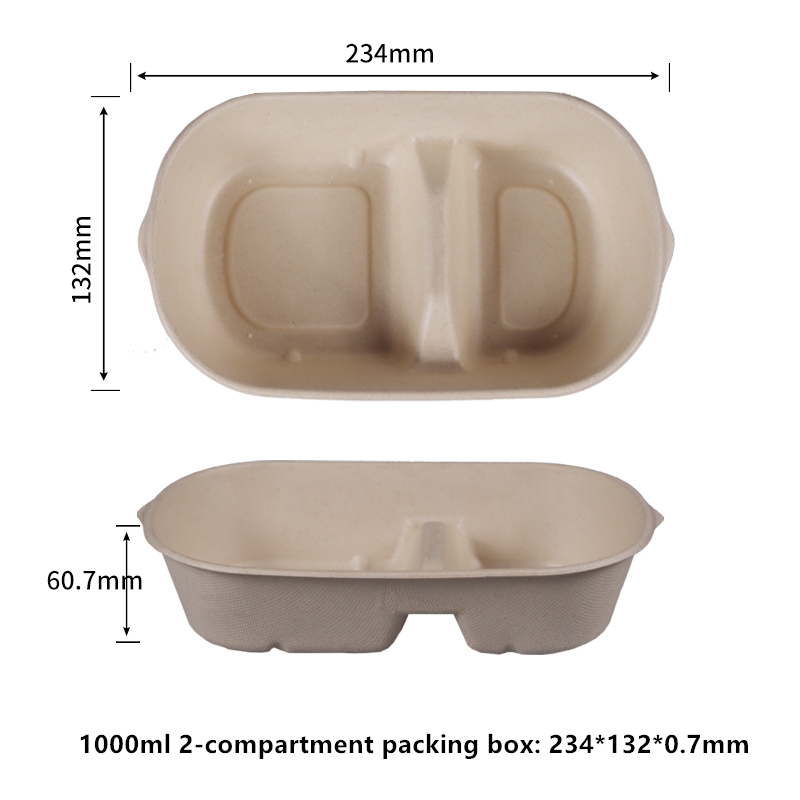
The versatility of bagasse extends to robust eco-friendly food packing. Clamshell containers, takeout boxes, and portion cups crafted from this material offer excellent oil and moisture resistance, making them ideal for diverse cuisines. Unlike some bioplastics, bagasse packaging requires no industrial composting facilities to break down effectively, simplifying the end-of-life process for businesses and consumers committed to reducing landfill waste.
The compelling environmental advantages of Bagasse Tableware solidify its position as a front runner in sustainable food service. Unlike plastics derived from fossil fuels, bagasse utilizes a rapidly renewable, agricultural byproduct (sugarcane fiber), preventing waste and promoting circularity. Its production consumes less energy and water compared to paper or plastic alternatives. Crucially, certified compostable bagasse products decompose completely within 90-180 days in proper conditions, leaving no microplastics or toxic residues, thus dramatically reducing long-term environmental pollution and contributing to healthier ecosystems. As legislation targets plastic pollution and consumer awareness grows, bagasse tableware offers a practical, planet-friendly path forward for the industry.




 IPv6 network supported