English
 français
 español
 русский
 中文
中文

New Evidence Links Microplastics to Cancer: Just 4 Steps from Ingestion to Tumor Promotion
Are Many of Us Ingesting "Plastic Blades" Every Day? This Is No Exaggeration!
An increasing number of studies confirm that drinking from plastic cups, reheating lunch in plastic containers, or eating with plastic spoons and forks—these seemingly mundane daily habits—are introducing countless invisible "plastic blades" into our bodies.
Recently, a new study confirmed the presence of microplastics in over half of all intestinal tumors examined. Even more alarming is the finding that these plastic particles possess "sharp edges" and highly irregular shapes; they resemble miniature blades embedded within the tissue, continuously "scratching" the intestinal lining and directly elevating the risk of cancer recurrence.
"Plastic Blades" Enter the Body:
Triggering Chronic Inflammation and Cancer
You may have heard of "microplastics"—plastic particles with a diameter of less than 5 millimeters, with nanoscale particles measuring even less than 1 micron. They infiltrate the human body through various routes, such as drinking water and consuming food.
In the past, we viewed them merely as "inert foreign bodies"; however, mounting evidence indicates that they can penetrate cellular barriers, trigger chronic inflammation, and disrupt endocrine function. The latest research further reveals that, within the tumor microenvironment, these particles effectively "ignite the fire" and "pave the way" for tumor growth.
(1) The Intestine: 7 Common Types of Microplastics Found Hiding in 56.4% of Tumor Samples
On May 14, a joint research team from Shanghai Jiao Tong University, Shenzhen University, and the Southern University of Science and Technology published a study in the journal Nature – Health. This study marked the first time that the presence of microplastics within intestinal tumors was directly linked to a patient's long-term risk of cancer recurrence.
The study revealed that the most prevalent type of microplastic detected was PET—the very material used to manufacture your beverage bottles and food packaging—accounting for a staggering 40.8% of the total. Of these particles, 76% measured less than 100 microns in size and possessed highly irregular edges; they easily penetrated the intestinal barrier, embedding themselves directly into the cellular interior and the extracellular matrix, thereby becoming inextricably intertwined with the tumor microenvironment.
Researchers conducted post-operative follow-up assessments on the patients, yielding the following results:
• Patients whose tumors contained microplastics exhibited a higher rate of cancer recurrence.
• These patients experienced more severe gastrointestinal symptoms, with diarrhea, indigestion, and constipation occurring more frequently.
• The presence of microplastics was more likely to trigger localized inflammatory responses.
Research indicates that microplastics may "pave the way" for tumor progression by inducing chronic inflammation and disrupting the homeostasis of the intestinal barrier.
(2) The Brain: Almost Universally Contaminated—Especially in the Vicinity of Tumors
On April 20, research teams from Capital Medical University, the Chinese Research Academy of Environmental Sciences, and other institutions published a study in Nature – Health, revealing that micro- and nanoplastics have extensively infiltrated the human brain. Moreover, the concentration of plastics in the brain tissue surrounding tumors was found to be significantly higher—suggesting that once the blood-brain barrier is compromised, plastics seize the opportunity to infiltrate, "burrowing" deep into the brain.
Microplastics: Accomplices in Promoting Cancer
Promoting Cancer Onset in Just 4 Steps
You might be wondering: Microplastics aren't exactly poison, so how could they possibly be linked to cancer? Don't worry; scientists have already identified several of the "mechanisms of action" involved—a process comprising just four steps.
In 2025, researchers from the Second Xiangya Hospital of Central South University and other institutions published an article in the international journal Molecular Cancer, dissecting the association between microplastics and cancer.
• Step 1: Infiltration—Burrowing In and Refusing to Leave
• Microplastic particles are extremely small—particularly those in the nanoscale range—small enough to burrow their way inside individual cells. Studies have found that within colon cancer cells, smaller plastic particles are more easily "swallowed up" by the cells. Once inside, they are difficult to expel; furthermore, they cause the cells to become more "active" and move faster—a phenomenon known in the context of cancer as "enhanced metastatic potential."
• Step 2: Causing Damage—Injuring DNA
• After these tiny particles enter a cell, they trigger a reaction known as oxidative stress. You can visualize this as the cell's interior essentially "rusting." This state damages the cell's DNA; once DNA is damaged, the risk of genetic mutation increases significantly. As mutations accumulate, cancer cells may seize this opportunity to "strike while the iron is hot."
• Step 3: Sparking Inflammation—Chronic Inflammation
• Once microplastics enter the human body, the immune system identifies them as "foreign invaders" and launches an attack. However, because plastics cannot be degraded or eliminated by the body, this battle devolves into a ceaseless state of chronic inflammation. This inflammation releases "incendiary" factors—such as IL-6 and TNF-α—which, ironically, serve to aid cancer cells in their proliferation, migration, and even metastasis.
• Step 4: Causing Havoc—Disrupting Hormones
• During their manufacture, plastics are infused with various chemicals, such as plasticizers and antioxidants. These substances act as endocrine disruptors, interfering with the normal functioning of hormones like estrogen and testosterone. When hormonal balance is disturbed, the risk of developing certain types of cancer increases.
In summary: Microplastics do not directly cause cancer; rather, they act as "accomplices," constantly creating an environment conducive to cancer—one that allows cancer cells to grow faster and spread further.
7 Simple Ways
To Minimize the Harm Caused by Microplastics
Microplastics are virtually ubiquitous, but don't panic—the following methods can genuinely help reduce the associated risks.
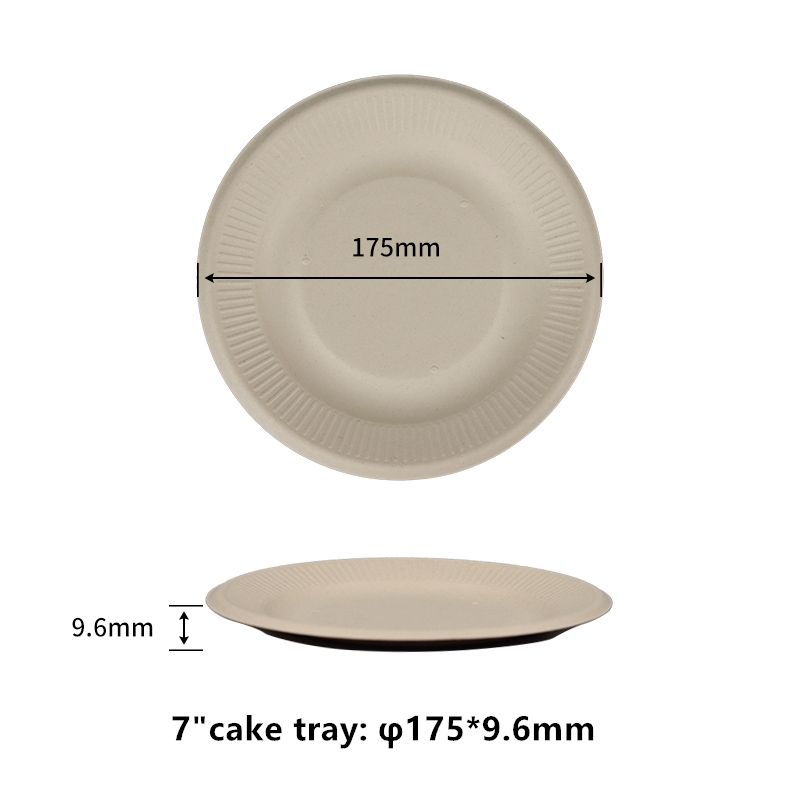
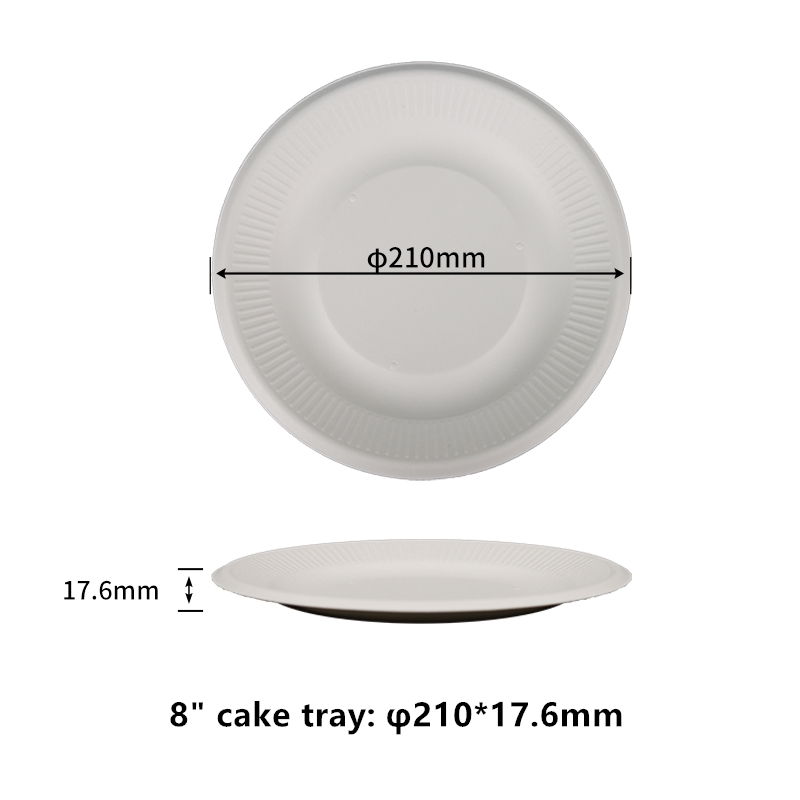
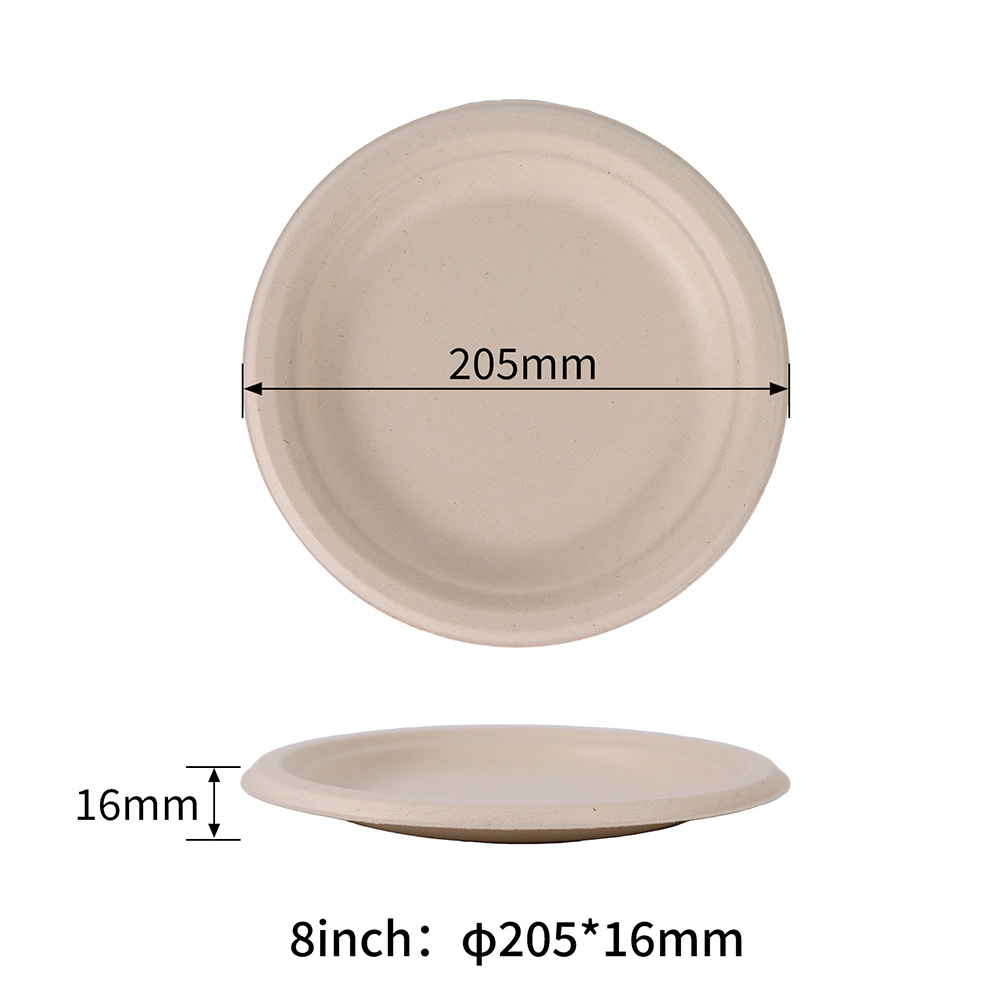
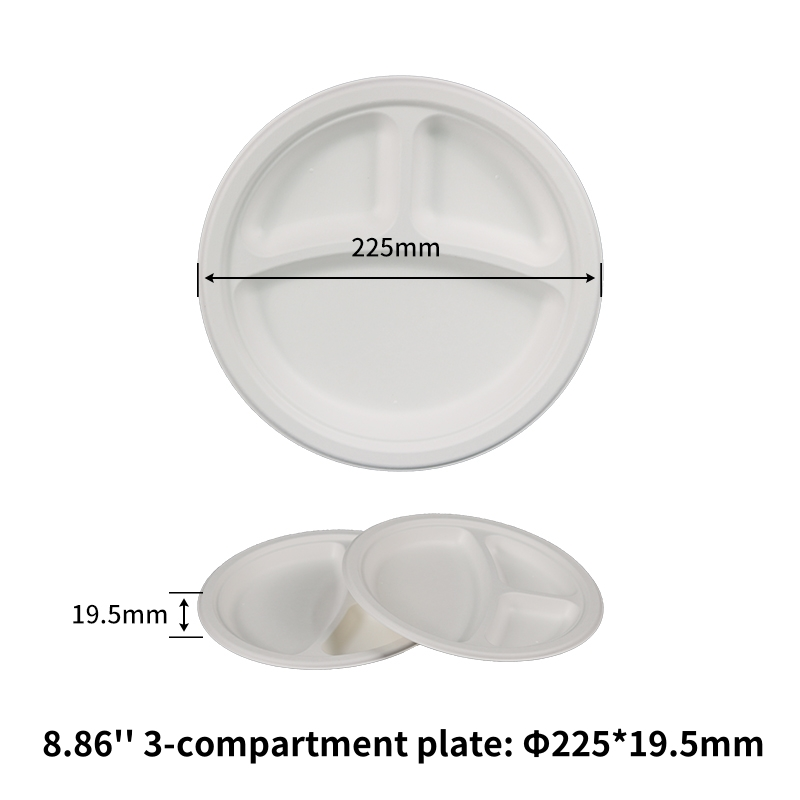
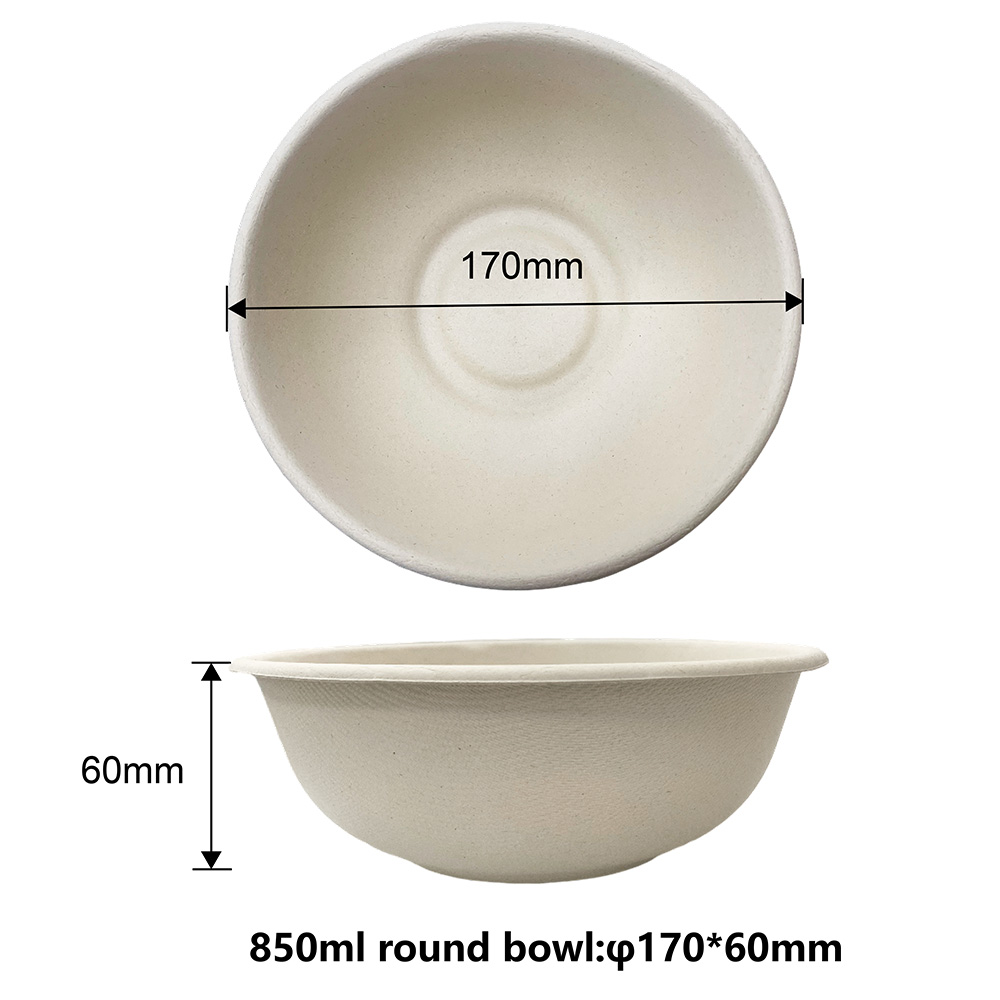
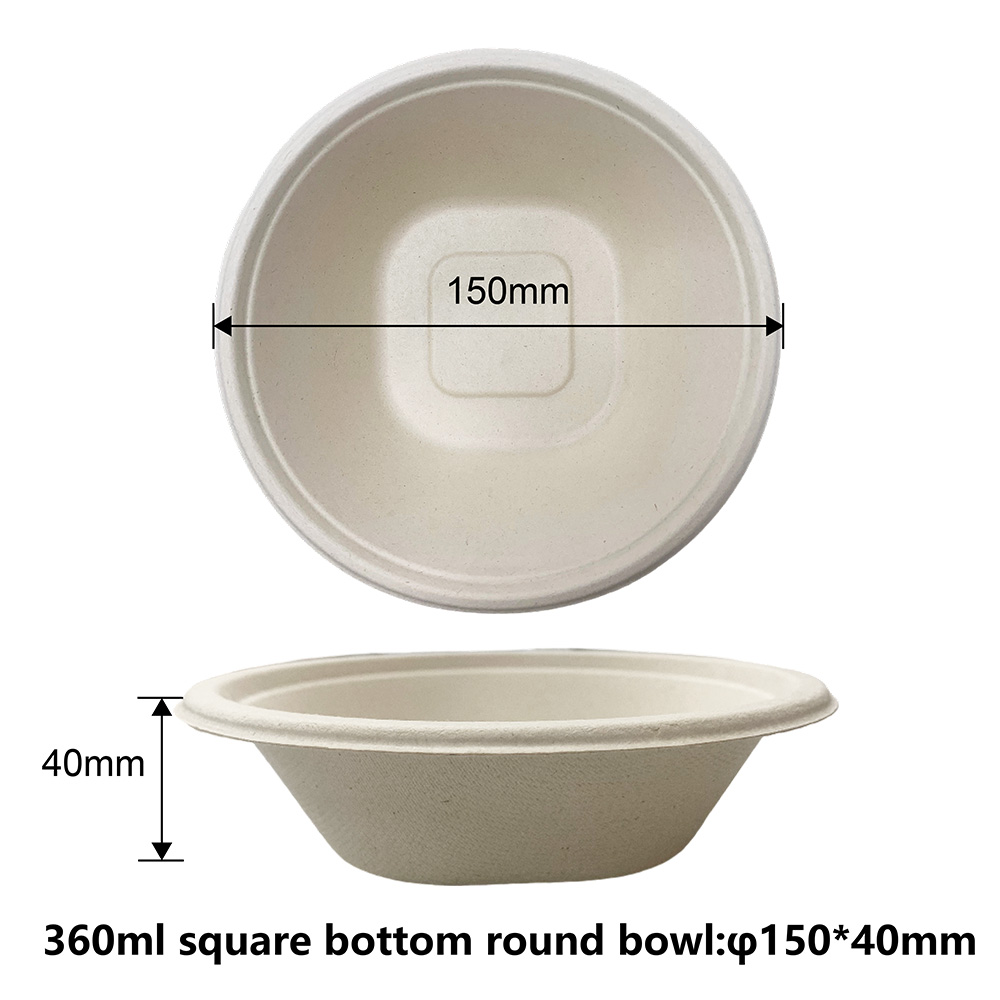
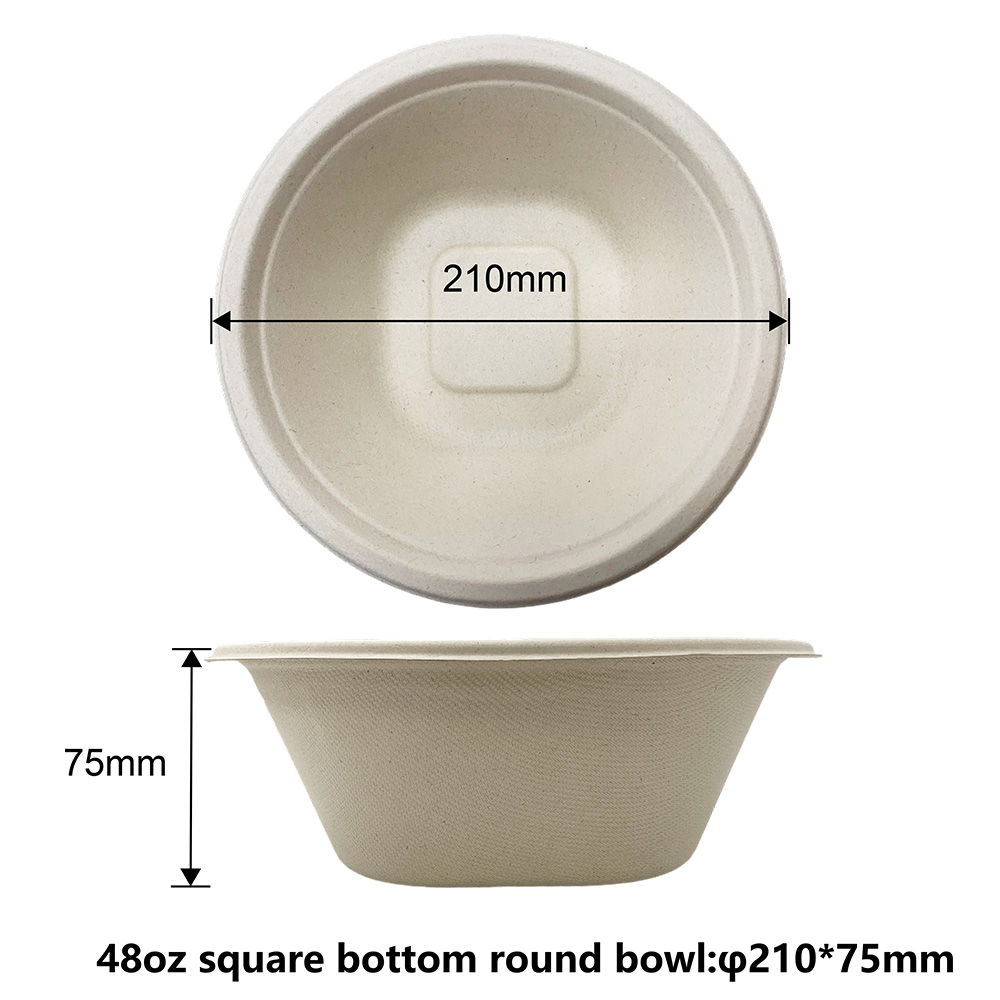
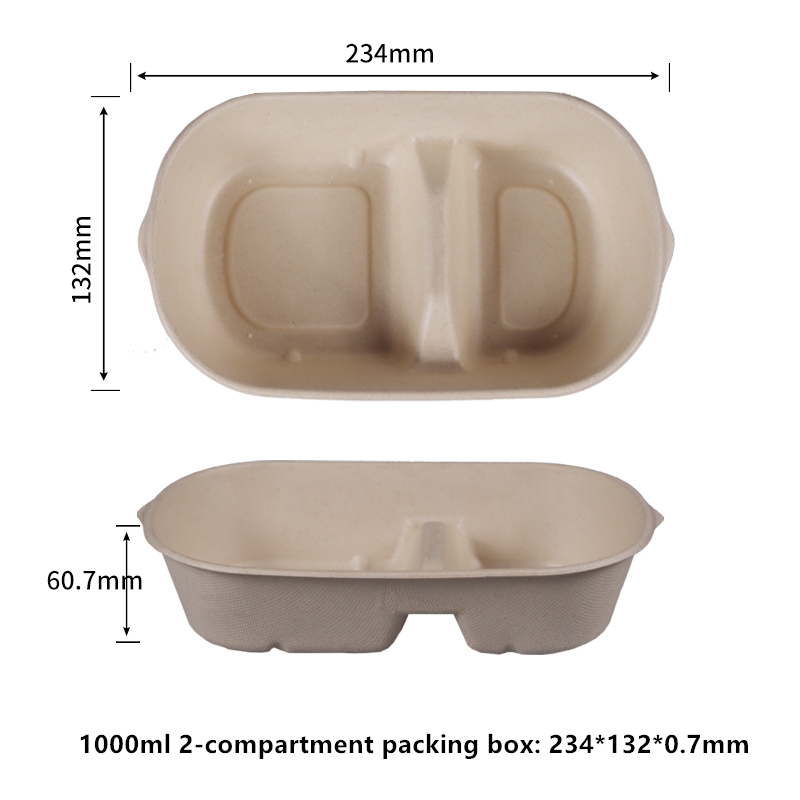
• Use Biodegradable Tableware: Opt for biodegradable utensils and dishes made from plant fibers, sugarcane pulp, paper pulp, or bamboo/wood fibers. Products such as a bagasse disposable plate, sugarcane bagasse takeaway box, and other biodegradable takeout containers are natural, clean, hygienic, and environmentally friendly alternatives to traditional plastic packaging.
• Avoid Plastic Cutting Boards: Cutting food on plastic boards releases a significant amount of microplastics into your food during the slicing process; it is recommended to switch to wooden or bamboo cutting boards instead.
• Boil Your Water Before Drinking: Boiling tap water and allowing it to settle for five minutes can remove at least 80% of the microplastics present.
• Avoid Heating Food in Plastic Containers: Heating plastic containers in a microwave causes a massive surge in the amount of microplastics released into the food. You should avoid using plastic containers to heat food in the microwave whenever possible, opting instead for glass or ceramic containers. Choosing eco-friendly alternatives such as biodegradable takeout containers can also help reduce daily exposure to harmful plastic particles.
• Be Mindful of Plastic Household Products: Choose personal care products (such as cleansers and scrubs) that do not contain exfoliating microbeads. For children, select wooden toys and discourage them from chewing on plastic toys.
• Avoid Eating the Internal Organs of Fish and Shellfish: Microplastics can accumulate within the bodies of marine organisms, thereby contaminating the fish and shellfish we consume. Therefore, when eating seafood: first, never consume it raw—always ensure it is thoroughly cooked; second, remove and discard the internal organs (such as the stomach and intestines) as well as the gills.
• Discontinue Use of Scratched Non-Stick Cookware: The non-stick coating found on most non-stick pans is typically made of polytetrafluoroethylene (PTFE)—a type of synthetic plastic. When the pan is subjected to friction or abrasion from hard objects, tiny PTFE particles can break off and contaminate your food. Once a non-stick pan develops scratches, it is best to discontinue its use. Additionally, avoid using sharp spatulas, and replace the pan periodically.
Reducing dependence on disposable plastics in daily life is becoming increasingly important. By choosing sustainable products such as sugarcane bagasse takeaway box packaging and eco-friendly food containers, consumers can not only reduce environmental pollution but also lower the potential health risks associated with long-term exposure to microplastics.